

Raccoon sightings in Rodgau
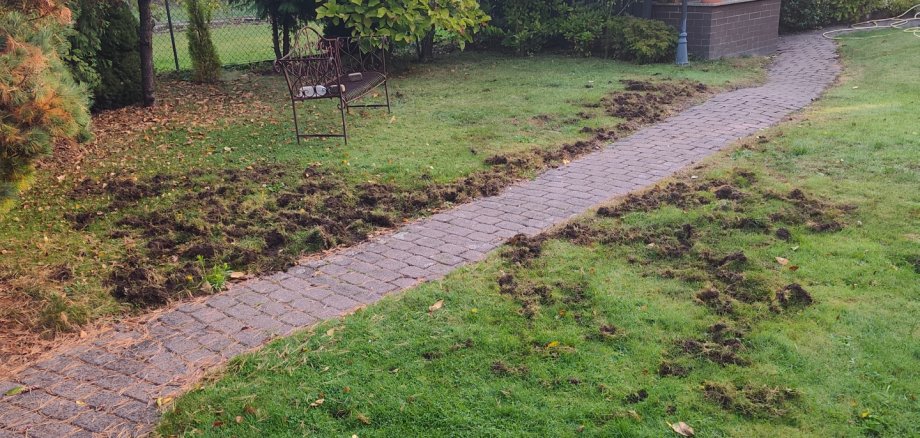
In the past, there have been occasional reports of raccoons in the Offenbach district, but these reports have become more frequent recently. There have also been sightings in Rodgau, and more recently, damage caused by these seemingly cute little creatures. Rubbish bins are being ransacked, lawns are being dug up in search of food, food intended for pets is being eaten, and before you know it, an attic or a garden shed has been chosen as a place to live.
Invasive species
Raccoons are considered an invasive species and are spreading further and further. It is estimated that up to two million raccoons live in Germany. As they have no natural predators, experts believe they will never disappear from the region again. As raccoons are omnivores, they feed not only on amphibians, reptiles, insects, worms and snails, but also enjoy eating fruit. Furthermore, they raid birds’ nests and do not even spare bats and young birds.
Preventative measures outdoors
In areas where raccoons have already been spotted, the town of Rodgau recommends taking preventative measures against these nocturnal animals. Where raccoons can easily find food, they are quickly attracted and settle in. It is therefore important that no food is left accessible around the house. Rubbish bins should be secured to prevent them from being opened, for example with a heavy stone or special clamps, and full yellow bin bags should not be left lying around. Fruit trees are also popular feeding spots. If an infestation is detected, the trunk can be secured with metal rings to prevent the raccoon from climbing the tree, and windfall should be removed regularly. Food scraps should not be disposed of on compost heaps, and pet food should not be left outside.
Tips for the home
To prevent cubs from accidentally finding their way into the house, it is recommended that branches on trees and shrubs be pruned to ensure there is sufficient clearance from the house to prevent them from climbing over. Downpipes can be secured with smooth collars, just as with the trees. Garden sheds and garages are popular places for them to live and should therefore always be kept locked. Cat flaps also invite them in, so it is advisable to secure these, for example, with a chip-based access system.
General information
It is also recommended that you keep your distance. Raccoons are wild animals and are often infested with fleas, lice and ticks; they can transmit diseases and may also bite. Their droppings should only be handled whilst wearing gloves, as they may contain the eggs of the raccoon roundworm, which is also dangerous to humans. The owners of the affected properties are generally responsible for deterring or removing raccoons. As raccoons are subject to hunting regulations, they may only be trapped or killed by authorised persons. These are usually the local hunting leaseholders or pest control operators.